
07
Elucidating stereotypes
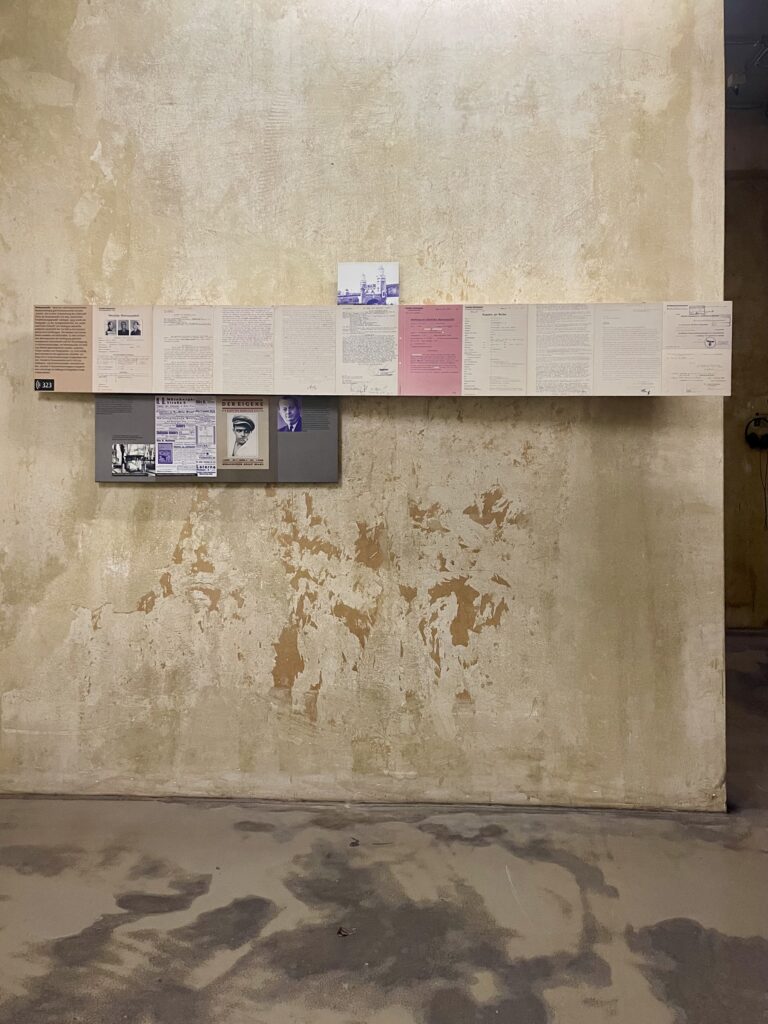
In the exhibition, you come across derogatory portrayals mainly in sources from the Nazi era. Sometimes, however, exhibition organisers themselves also propagate stereotypes – for example, by selecting certain stories and leaving out others. The presented stories thereby seemingly stand in for an entire group of people.
This is also the case here, which by way of an example depicts the persecution of homosexual men under National Socialism.
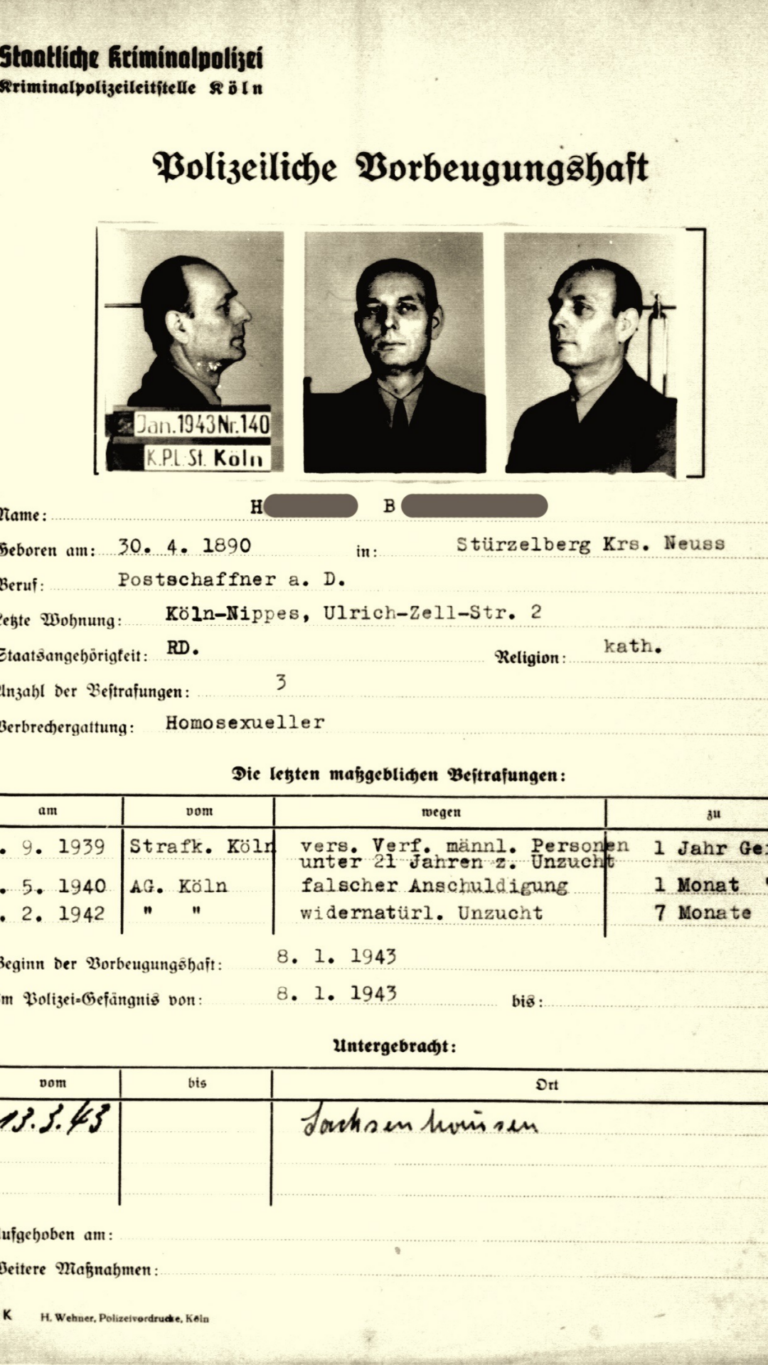
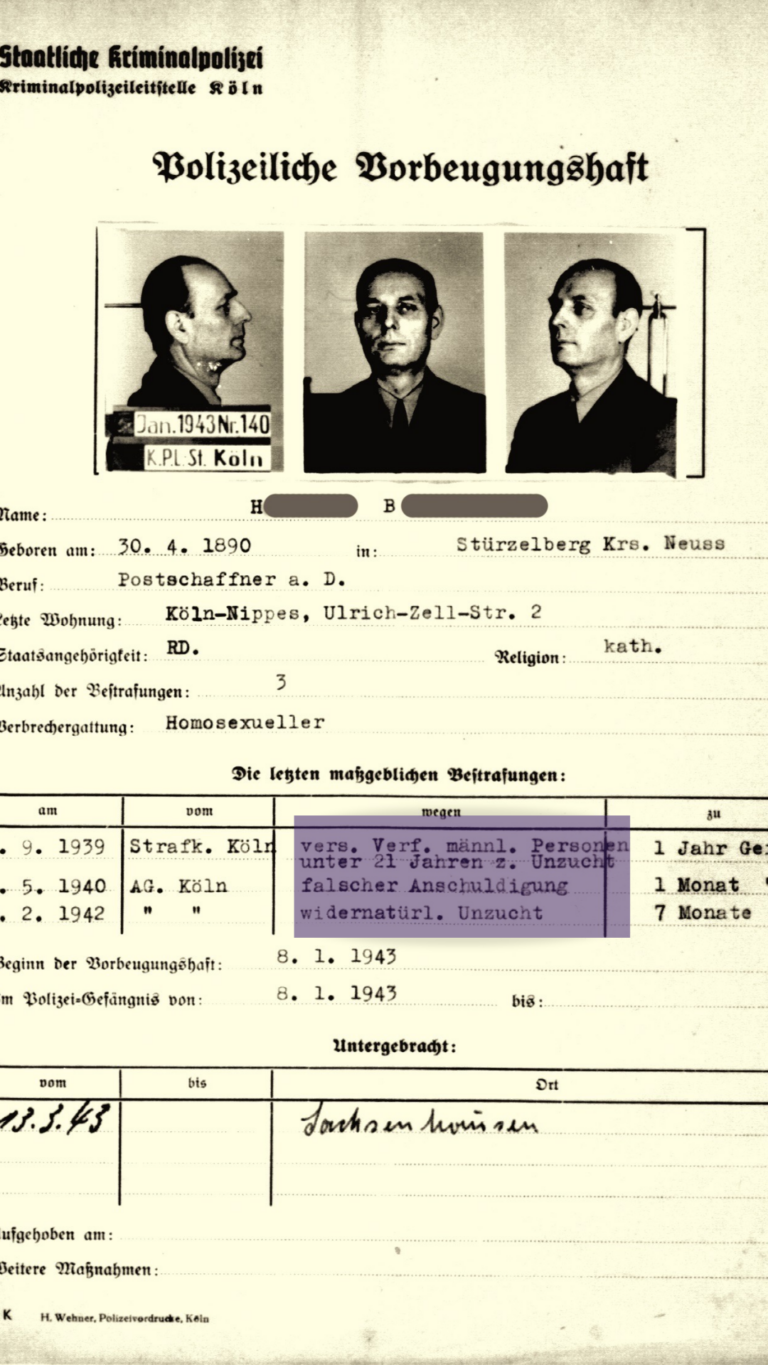
At the centre is the file of H. B. In 1939, he was accused of repeatedly sexually harassing his work colleagues. They were under the age of 21 and were therefore deemed minors under National Socialist law.
The Cologne Regional Court therefore convicted the postal worker H.B. of ‘unnatural fornication’ and ‘attempted seduction to fornication of male persons under the age of 21’ – criminal offences that the Nazi regime used to persecute homosexuals (§175, 175a of the Criminal Code). Further convictions followed later.
Whether the case actually unfolded as described in the file by the criminal investigators and the public prosecutor’s office is anyone’s guess. Nevertheless, the exhibition only presents the file of a homosexual who is alleged to have molested minors.
Untold, on the other hand, are all the stories of gay men who were convicted under National Socialism for consensual sex or romantic relationships. It was precisely these people who were severely persecuted during the Nazi era, as even flirting or walking hand in hand was criminalised.
Would you like to learn more about being gay in Cologne in the 1930s? Then swipe left here and take a look at the story of Johann N.
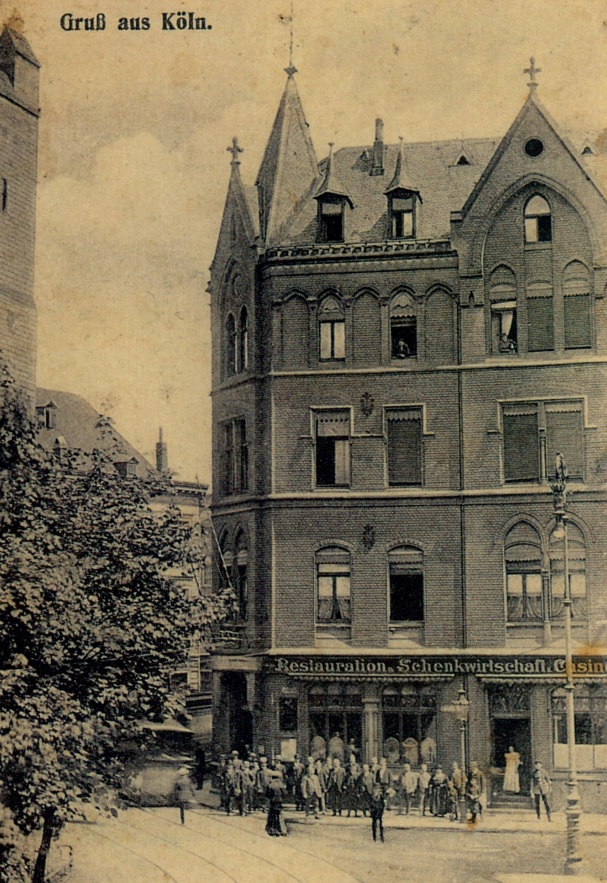
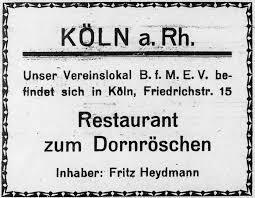
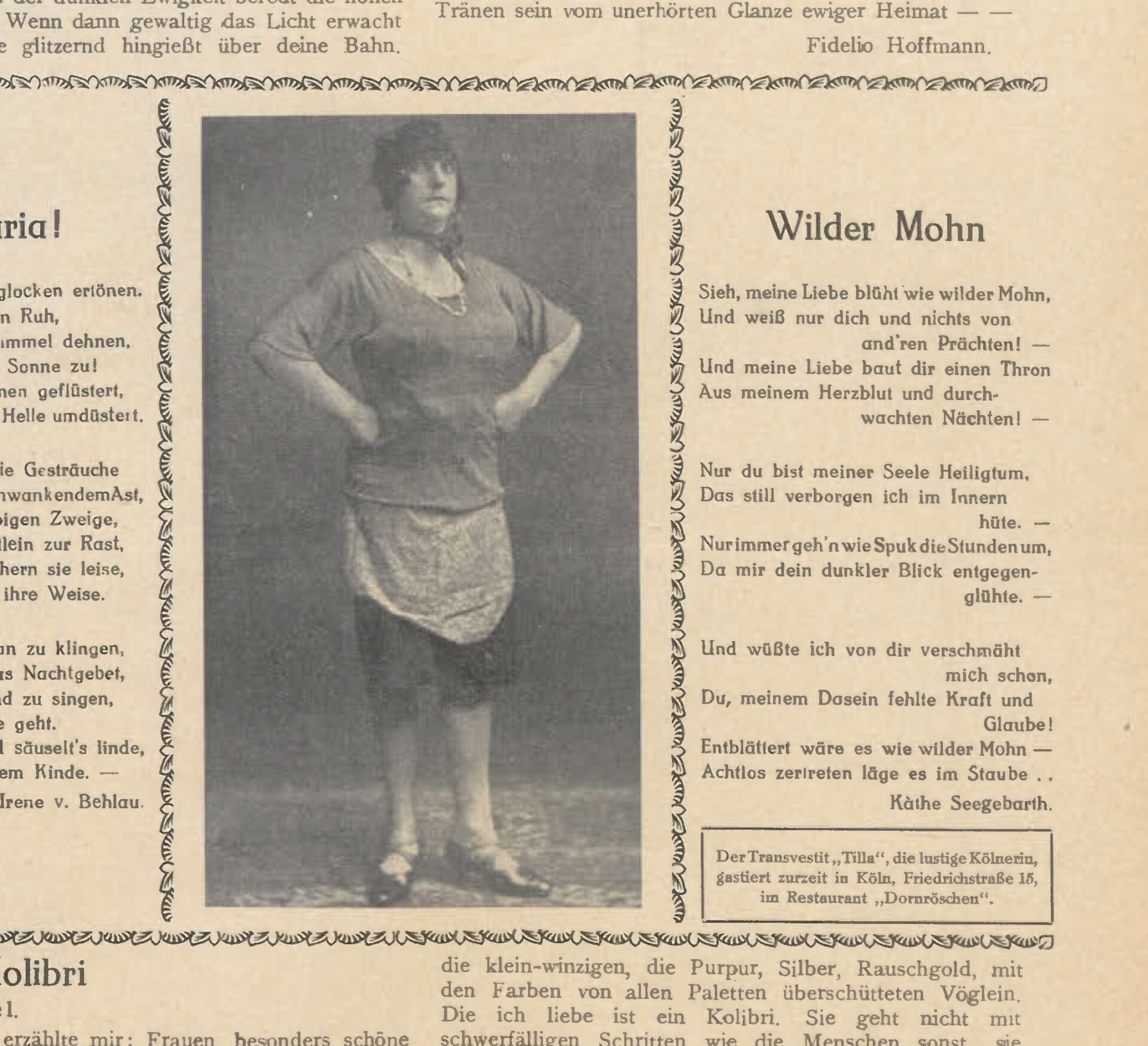
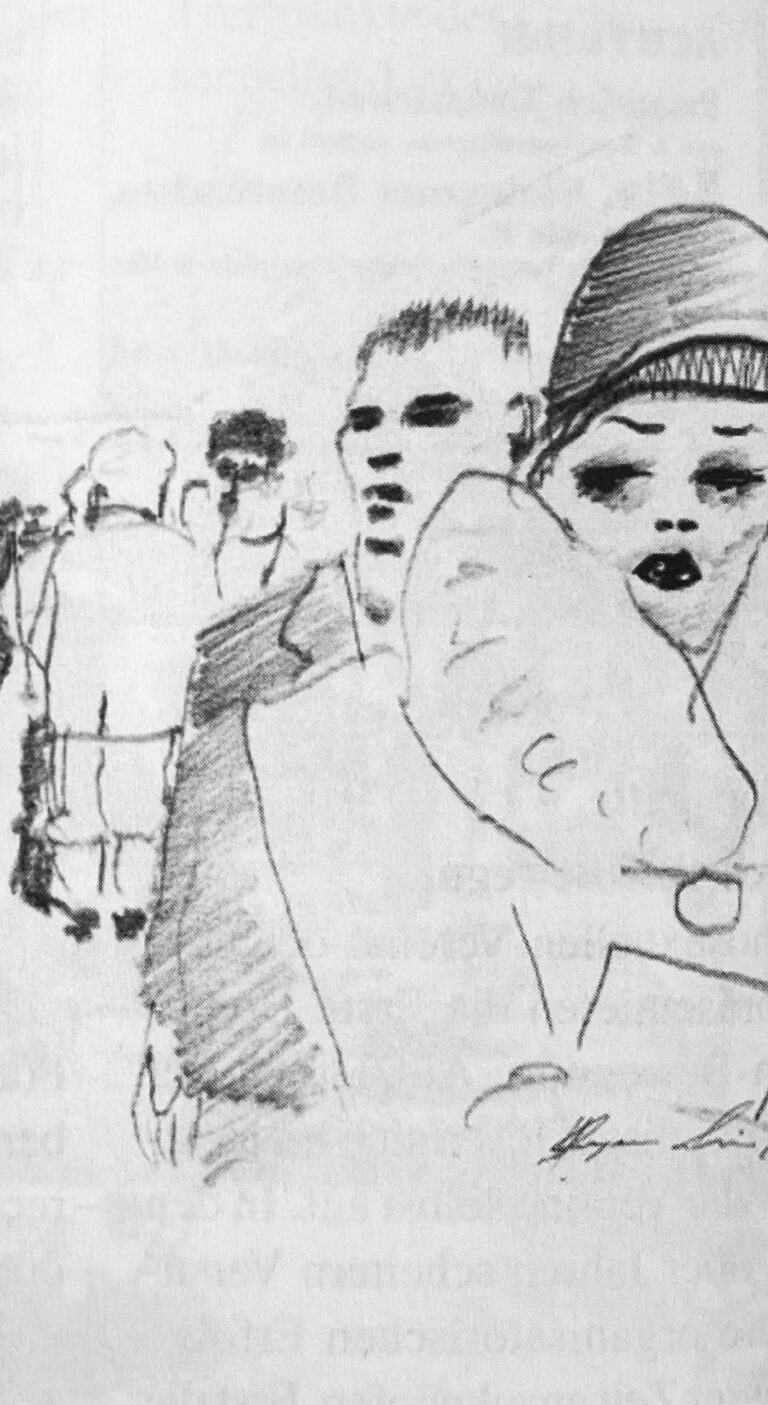
By only showing the case file on H. B., the exhibition reinforces a prejudice that was very widespread in the 1990s and still resonates today: that there is a connection between homosexuality and paedophile acts.
Other stories of gay acquaintanceships and romances, such as that of Johann N., are not told. And insights into gay or lesbian lifestyles apart from sexuality are completely absent.
Often, however, only official sources on the lives of persecuted people have been preserved, making it almost impossible to gain any insight into their lives. Go two rooms further to find out more.
Credits:
1. © NS-DOK; 2. File of H.B. © LAV NRW R, BR 2034, VH II 83; 3. Memorial to commemorate the persecution of homosexual people in Cologne © CC-BY-SA KölnTourismus, Foto: Christoph Seelbach; 4. Nettesheim pub © private; 5. Advertisement for the Dornröschen restaurant in the gay magazine Die Freundschaft (Friendship), 1920s; 6. Die Freundin, no. 09, 1928, p. 5; 7. Drawing of the Dornröschen restaurant by Martin Augenstein, according to Willi Zehnpfennig © Centrum Schwule Geschichte e.V.