
11
Working with sources

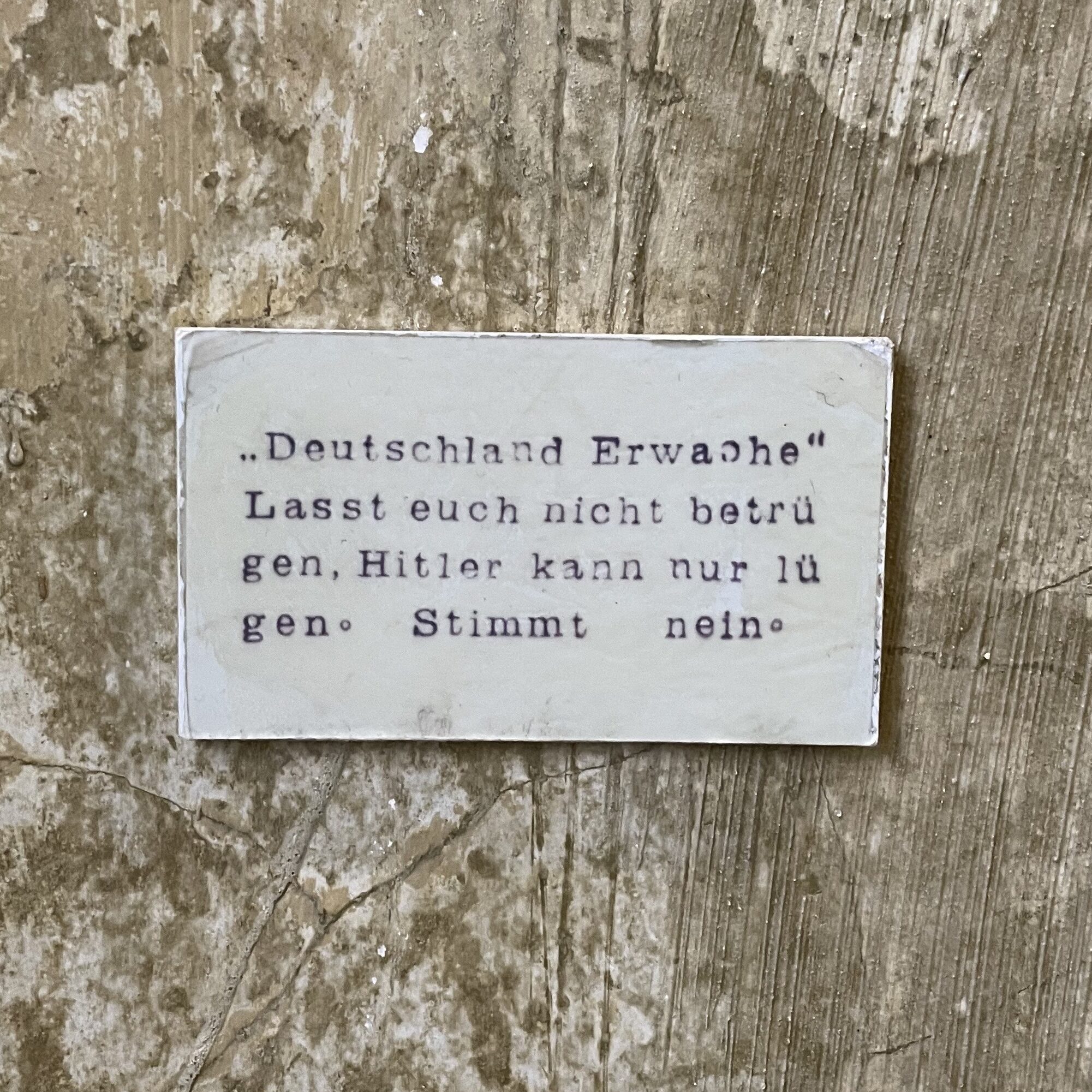
Look around! Can you find a note with the words ‘Deutschland Erwache!’ (‘Germany Awake!’) written on it? Look at waist level too.
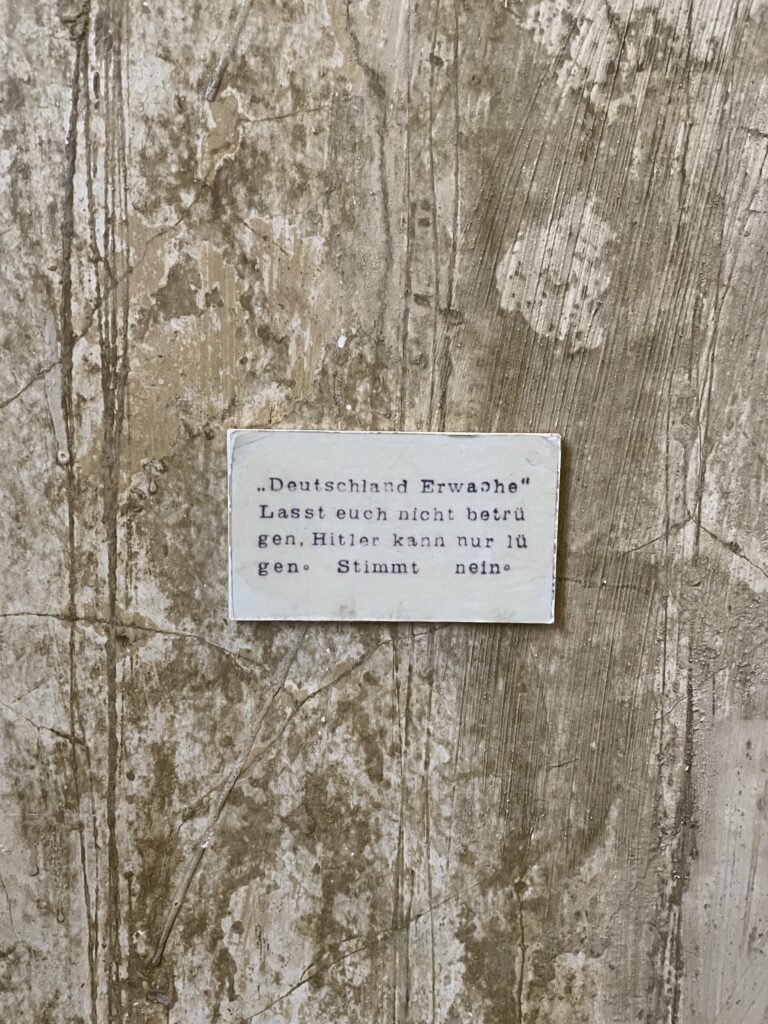
The note is exhibited without any further information. Thus one can only speculate as to what it is all about.
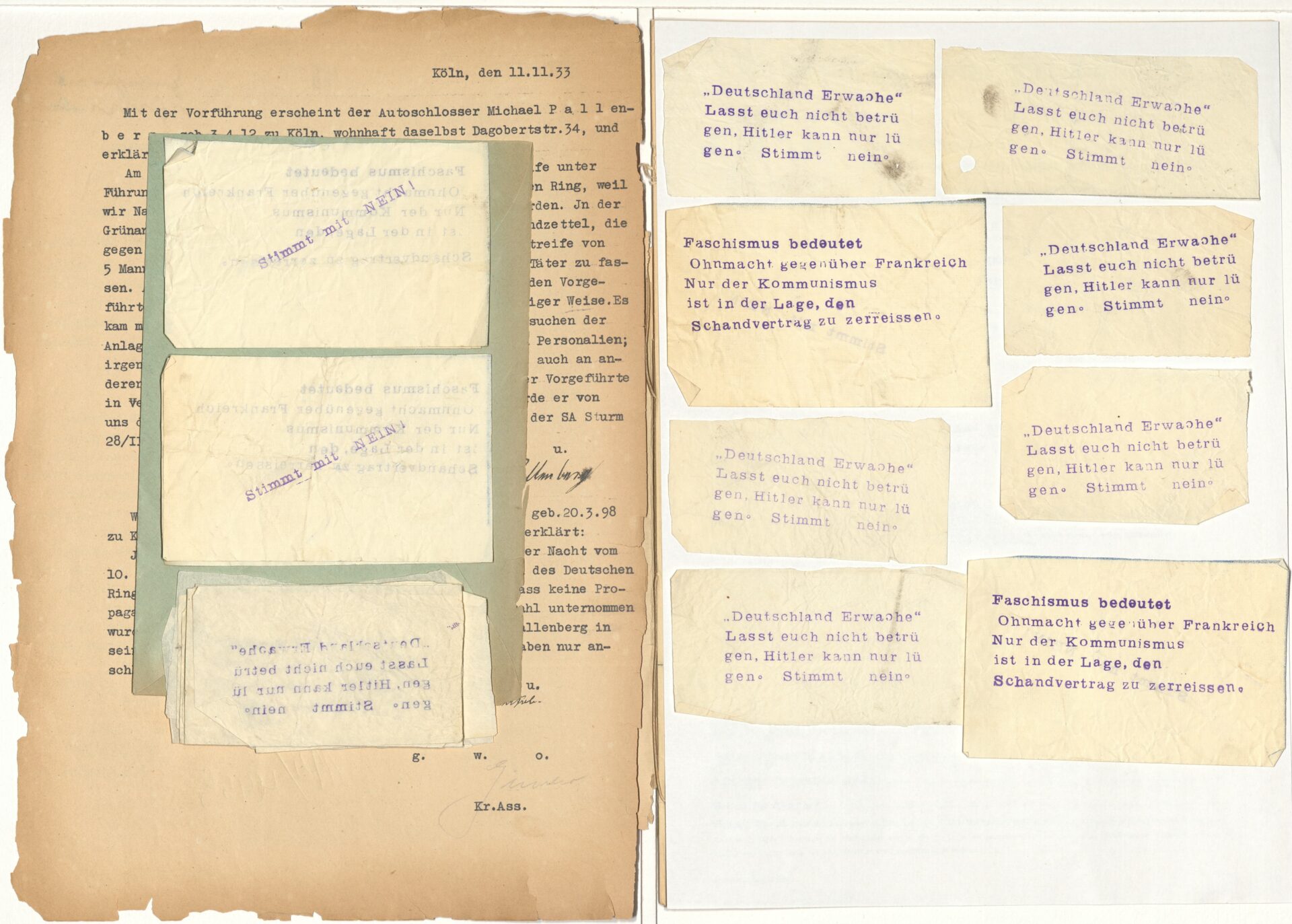
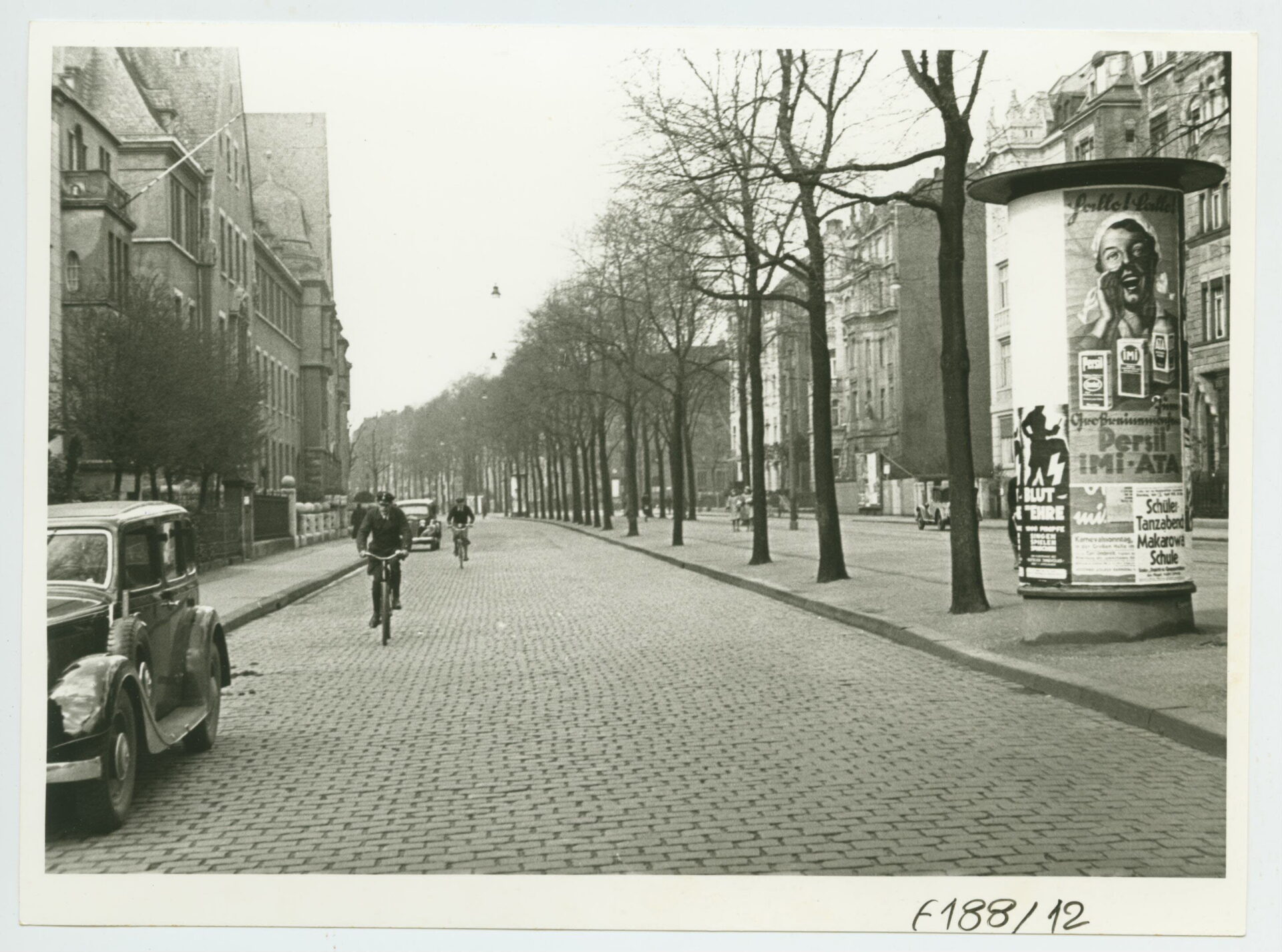
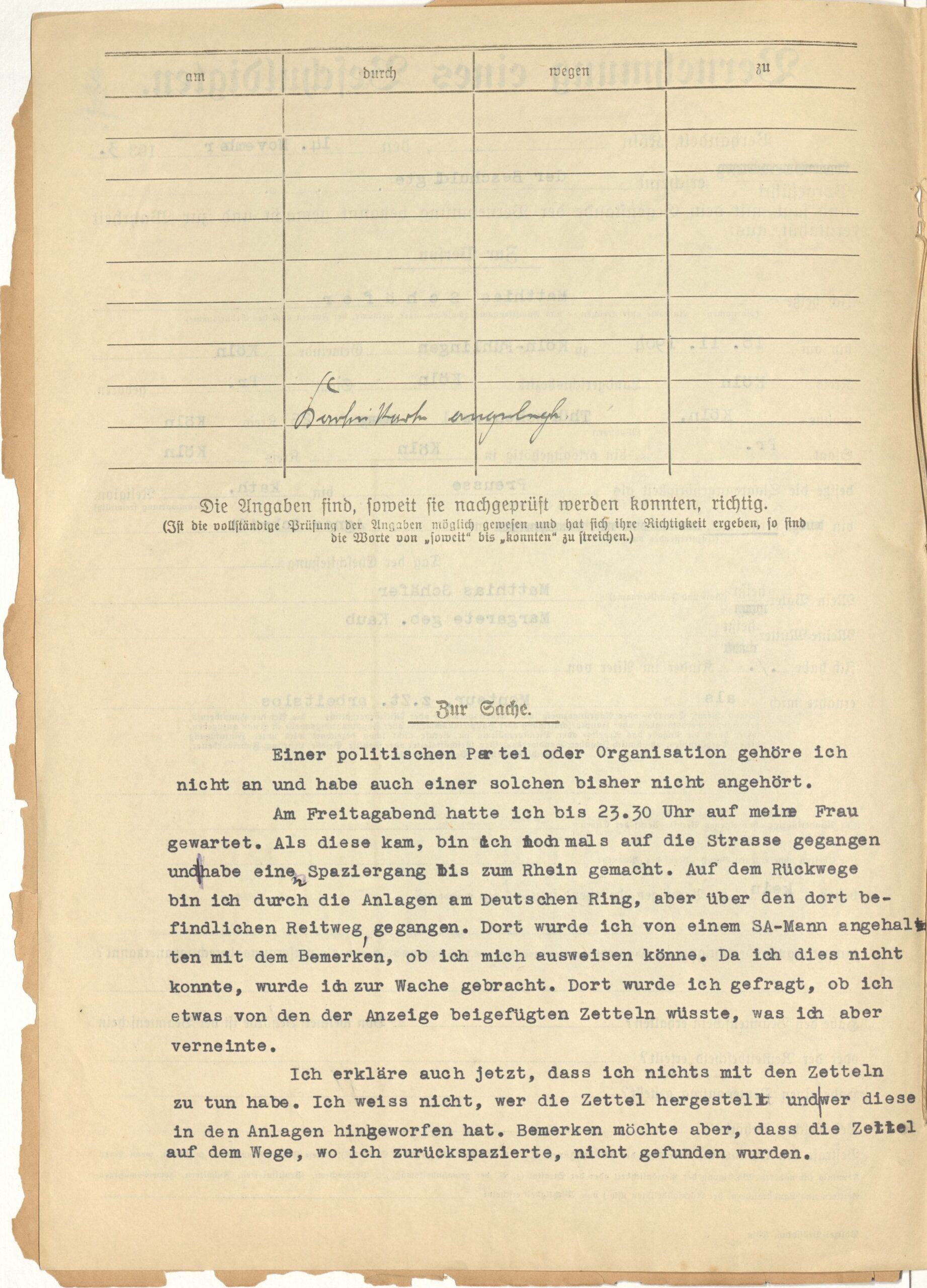
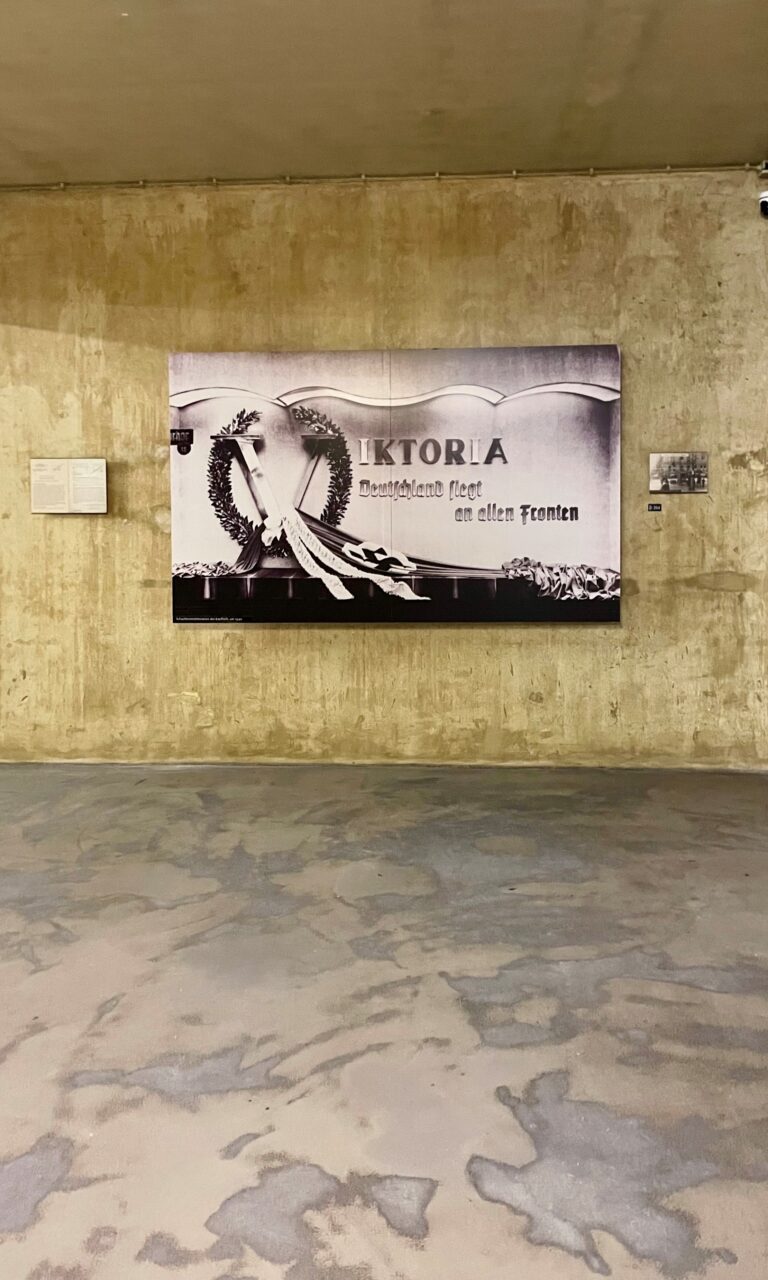
Exhibition curators prepare sources for presentation in the museum and decide whether or how to supplement them with information. In some cases, they are also modified: for example, photos are enlarged or cropped.
Interviews of contemporary witnesses are often highly edited sources.

Go to the media station ‘SPD and Trade Unions’. Here you will find excerpts from an interview with the trade unionist Willi Schirrmacher. Two interviewers asked him about his experiences under National Socialism, probably in 1980. Watch the first excerpt, ‘Before 1933’ here!
The two versions emphasise different things: The unedited version shows what Willi Schirrmacher says, in what order, and how he speaks. The edited version, on the other hand, allows viewers to quickly grasp important biographical details about Schirrmacher’s political career.
Which clip did you prefer watching?
Here’s what you said:
If you want to learn more about how the interview went:
If you’re more interested in why exhibiting interviews is a challenge, scroll down.
Interviews are important sources for depicting people’s experiences and giving a voice precisely to those who have been persecuted. At the same time, they are particularly difficult to exhibit because they are often very long and include stories from other contexts, such as the private lives of the contemporary witnesses.
However, when they are edited, new correlations arise and often the original context is no longer clear.
‘The appropriate presentation of interviews of contemporary witnesses is not only a question of respect, but also one of source criticism. … However, the aspiration to treat them in a biographical and source-appropriate manner regularly conflicts with the limited time available for an interview as part of an exhibition tour.’
Cord Pagenstecher, historian
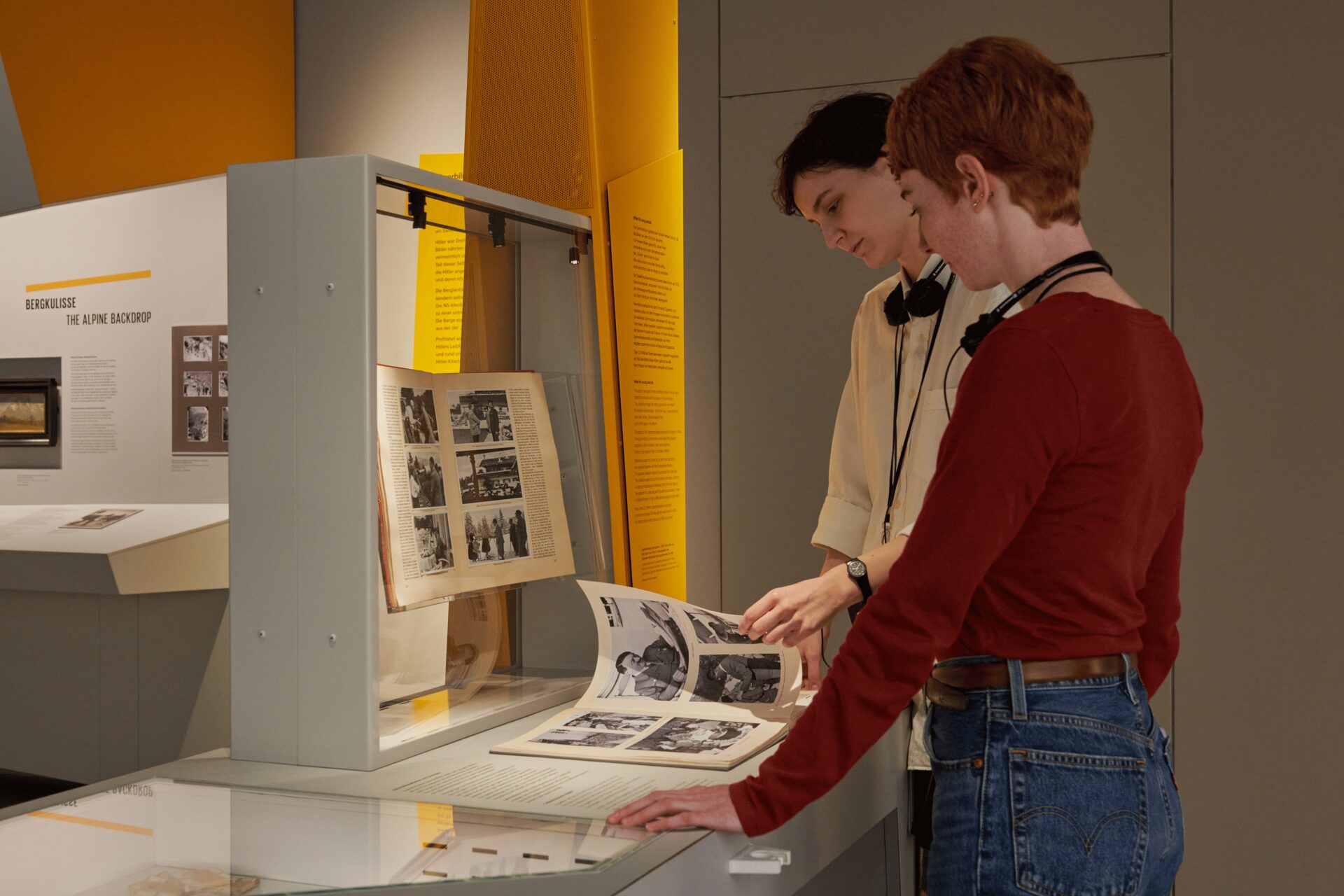
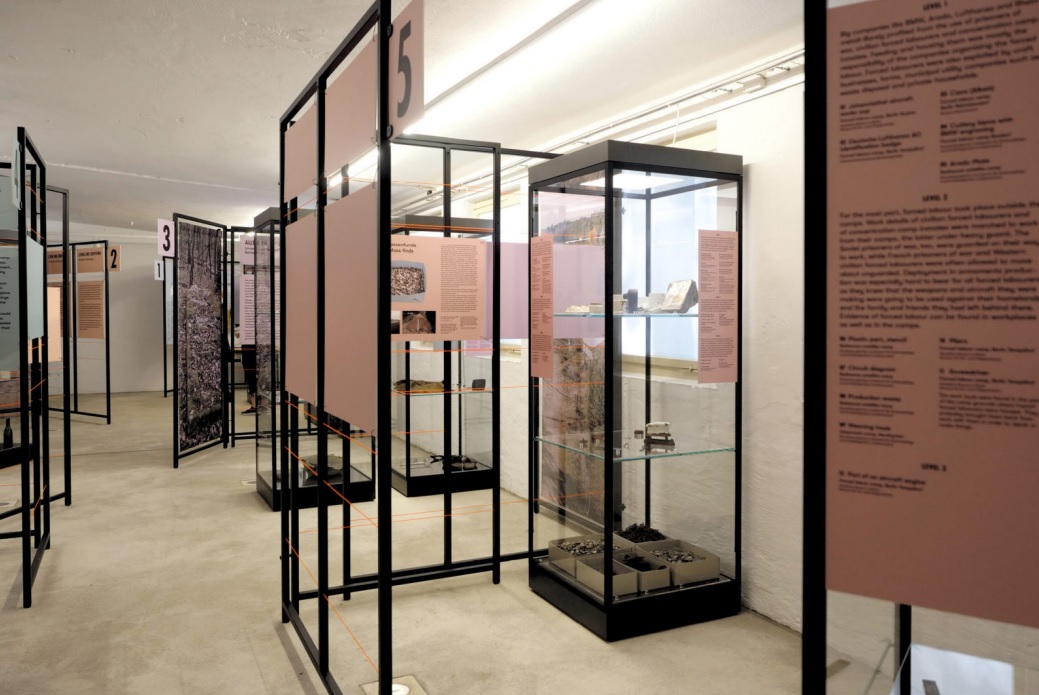
Museums are increasingly explaining how they handle sources or inviting visitors to work with them in the exhibitions.


What would you like to learn more about in the future?
Multiple answers are possible.
Here’s what you said:
Continue through the exhibition. The last thematic station is in the rooms dedicated to the war.
Credits:
1. © Rheinisches Bildarchiv, rba d018325-24; 2., 4. & 6.-9. © NS-DOK; 3. & 5. Landesarchiv NRW, Abteilung Rheinland, Ger. Rep. 112, Nr. 4459; 10. © Bergen-Belsen Memorial © 11. © Obersalzberg Documentation Centre / Kradisch; 12. © Nazi Forced Labour Documentation Centre; L. Sommerfeld; 13. © Stephan Minx / Documentation Center Nazi Party Rally Grounds; 14. © NS-DOK / Jörn Neumann;
Interview:
Willi Schirrmacher, interviewed by Dr. Peter von Rüden and Dr. Wilfried Schmid, © Adolf Grimme Institut / NS-DOK